 Save
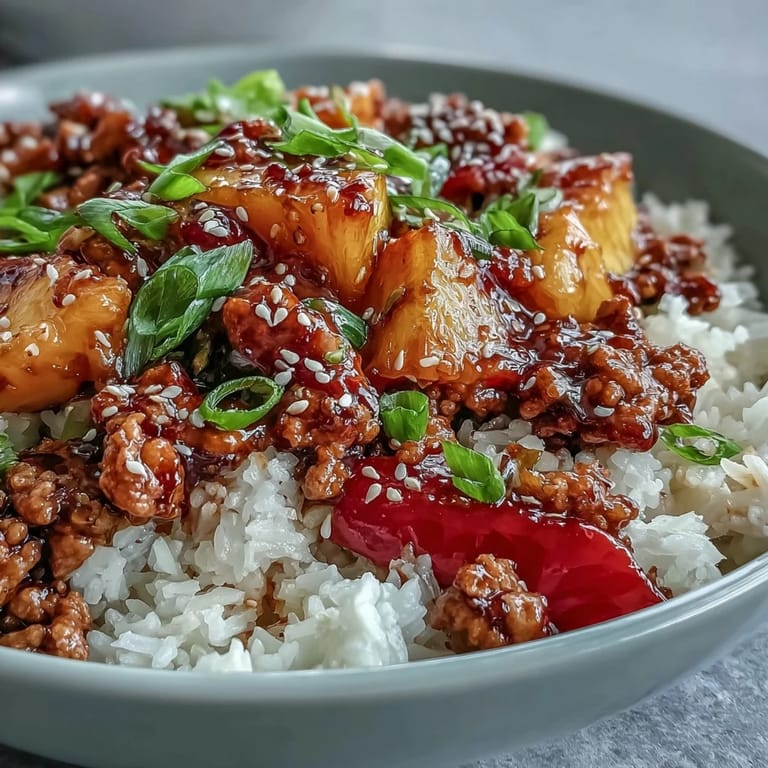
Save This Sweet-and-Sour Turkey Rice Skillet is a vibrant, one-pan dish that brings together tender ground turkey, juicy pineapple chunks, and colorful bell peppers in a rich, Korean-inspired sauce. It is a fantastic fusion meal that offers a refreshing twist on weeknight stir-fry, balancing savory, sweet, and tangy notes in every bite.
Save The secret to this dish lies in the sauce, which uses gochujang to provide a mild, fermented heat that pairs perfectly with the sweetness of the pineapple and brown sugar. It is an easy way to elevate ground turkey into a meal that feels both comforting and exotic.
Ingredients
Tired of Takeout? 🥡
Get 10 meals you can make faster than delivery arrives. Seriously.
One email. No spam. Unsubscribe anytime.
- 1 lb (450 g) ground turkey
- 2 eggs (optional, for topping)
- 1 red bell pepper, diced
- 1 green bell pepper, diced
- 1 yellow onion, finely chopped
- 2 garlic cloves, minced
- 1 cup (150 g) pineapple chunks (fresh or canned, drained if canned)
- 2 scallions, thinly sliced (for garnish)
- 2 cups (400 g) cooked white rice (preferably day-old)
- 2 tbsp vegetable oil
- 2 tbsp soy sauce
- 2 tbsp rice vinegar
- 2 tbsp ketchup
- 1 tbsp gochujang (Korean chili paste)
- 1 tbsp brown sugar
- 1 tsp sesame oil
- 1/4 tsp black pepper
- 1/4 tsp salt
- 1 tbsp toasted sesame seeds (for garnish)
Instructions
- Step 1
- In a large skillet or wok, heat 1 tablespoon vegetable oil over medium-high heat. Add ground turkey and cook, breaking it up, until no longer pink, about 5-6 minutes. Season with a pinch of salt and black pepper. Transfer turkey to a plate and set aside.
- Step 2
- In the same skillet, add remaining oil. Sauté onion and garlic until fragrant and translucent, about 2 minutes.
- Step 3
- Add diced bell peppers and cook for 3-4 minutes until just tender.
- Step 4
- Return turkey to the skillet. Add pineapple chunks and stir to combine.
- Step 5
- In a small bowl, whisk together soy sauce, rice vinegar, ketchup, gochujang, brown sugar, and sesame oil. Pour sauce into the skillet and toss everything to coat evenly.
- Step 6
- Add cooked rice to the pan, breaking up any clumps, and mix well. Stir-fry for 3-4 minutes, allowing rice to heat through and absorb the flavors.
- Step 7
- Taste and adjust seasoning if needed.
- Step 8
- (Optional) In a separate nonstick pan, fry eggs sunny-side up; serve over each portion.
- Step 9
- Garnish with scallions and toasted sesame seeds before serving.
Zusatztipps für die Zubereitung
Using day-old cooked rice is essential for a great skillet texture, as it is drier and prevents the dish from becoming mushy. If you have leftovers, they can be stored in the refrigerator for up to 3 days and reheat beautifully.
Varianten und Anpassungen
For extra crunch, try adding snap peas or water chestnuts to the vegetable mix. You can also substitute ground turkey with ground chicken or pork. If you enjoy more heat, increase the amount of gochujang or toss in some red pepper flakes.
Serviervorschläge
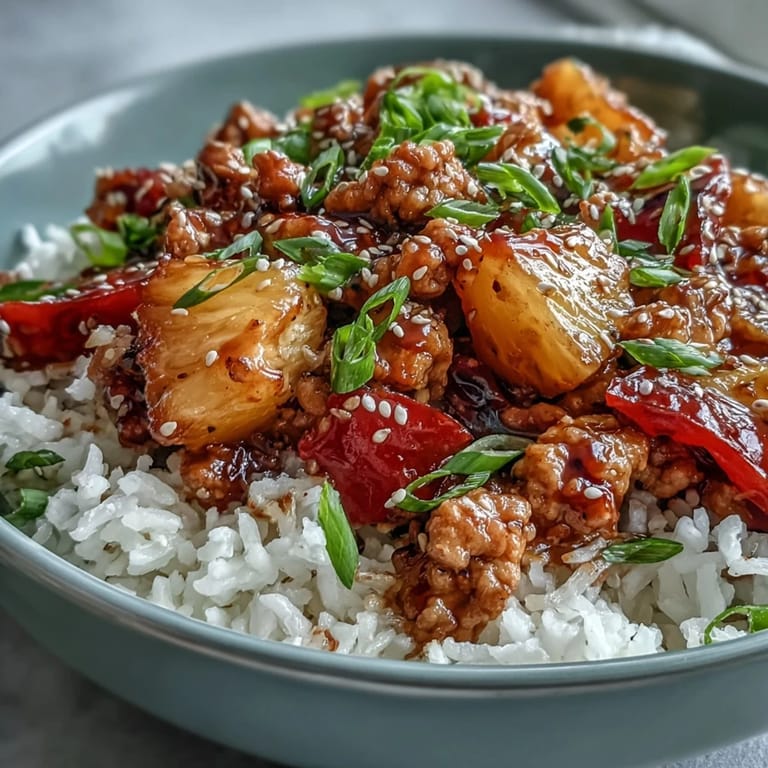
Serve this skillet hot, ideally topped with a sunny-side-up egg to add a creamy richness to the rice. Don't forget a generous sprinkle of fresh scallions and toasted sesame seeds to provide a bright finish and aromatic crunch.
 Save
Save This Sweet-and-Sour Turkey Rice Skillet is a reliable, flavorful solution for those busy nights when you need a wholesome dinner on the table in 40 minutes. Enjoy the perfect blend of Korean-inspired spice and tropical sweetness!
Recipe Q&A
- → Can I use freshly cooked rice instead of day-old?
Freshly cooked rice can work, but day-old rice is preferred because it's drier and less likely to become sticky or mushy when stir-fried. If using fresh rice, spread it on a baking sheet and refrigerate for 30 minutes to dry out slightly before cooking.
- → What can I substitute for gochujang?
If you don't have gochujang, substitute with sriracha mixed with a small amount of miso paste for similar umami and heat. Alternatively, use red pepper flakes with a teaspoon of tomato paste to mimic the fermented depth and spiciness.
- → Is this dish freezer-friendly?
Yes, leftovers freeze well for up to 2 months. Cool completely before transferring to airtight containers. Thaw overnight in the refrigerator and reheat in a skillet over medium heat, adding a splash of water if needed to prevent drying.
- → How can I make this dish vegetarian?
Replace ground turkey with crumbled extra-firm tofu or plant-based ground meat alternative. Use a vegetarian fish sauce or additional soy sauce for umami depth, and ensure your gochujang brand doesn't contain anchovy or shrimp derivatives.
- → Can I add more vegetables?
Absolutely—snap peas, diced carrots, water chestnuts, or baby corn work beautifully. Add sturdier vegetables like carrots with the bell peppers, and quick-cooking vegetables like snap peas during the last 2 minutes of stir-frying to maintain crunch.
- → How do I adjust the sweetness level?
Reduce brown sugar to ½ teaspoon for less sweetness, or increase to 2 tablespoons for a more pronounced sweet-and-sour profile. The pineapple also contributes natural sweetness, so taste the sauce before adding additional sugar.