 Save
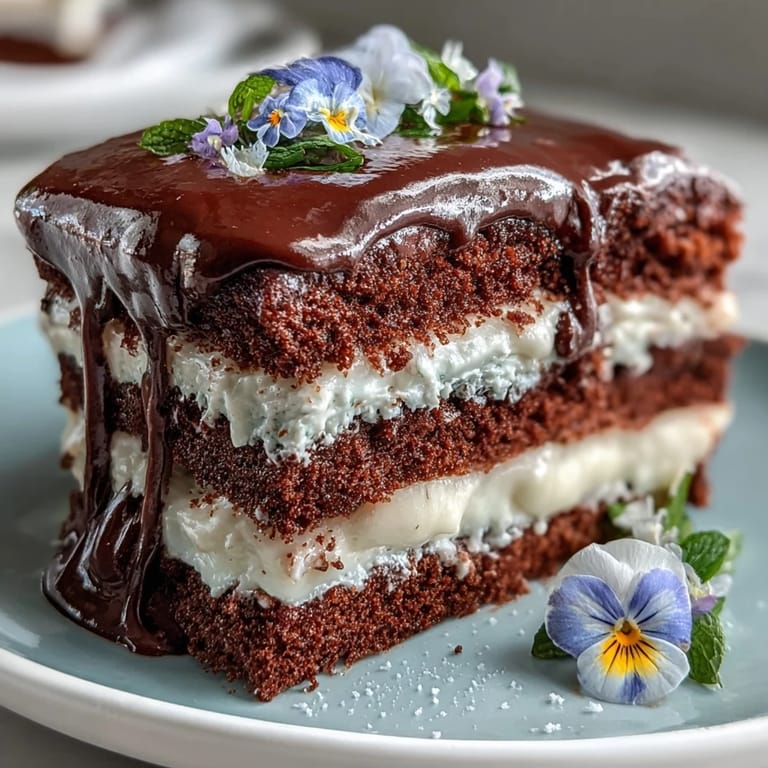
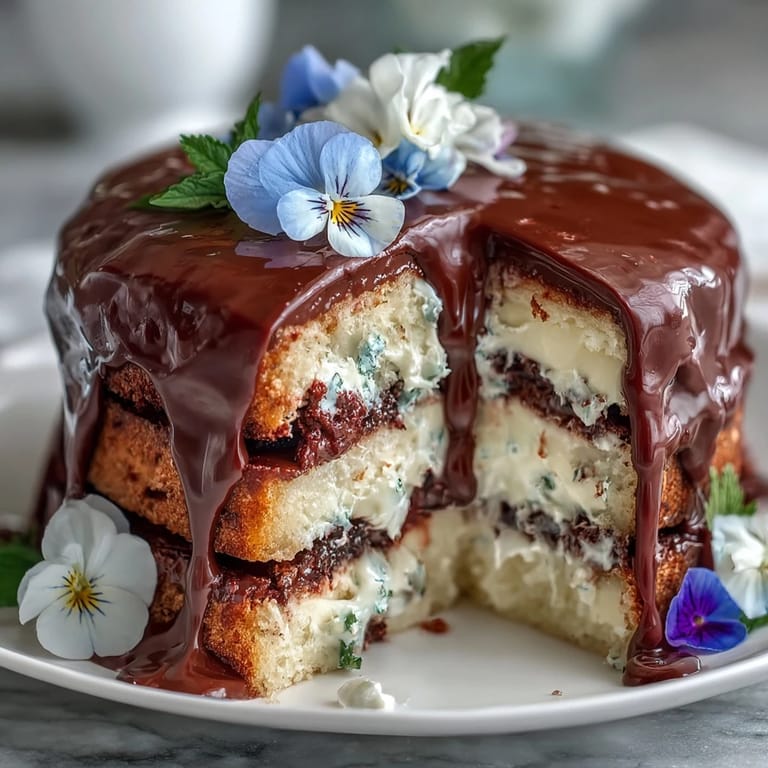
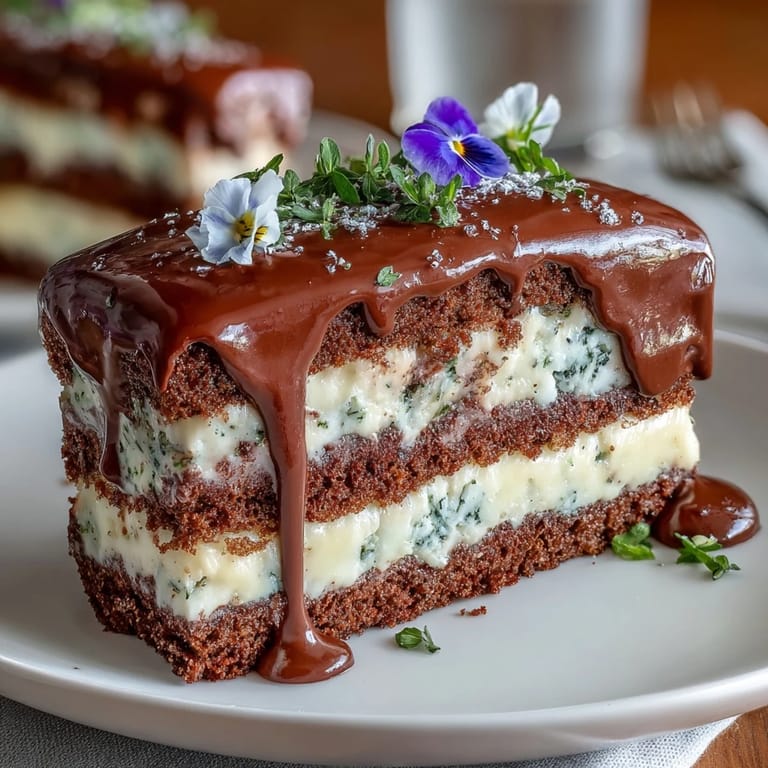
Save Last spring, my neighbor showed up at my door with a photograph from a London tearoom—a cake so elegant it looked almost too beautiful to eat. The layers were perfectly stacked, crowned with a watercolor drip of white chocolate and dotted with tiny edible flowers that caught the light. She asked if I could recreate it for her daughter's birthday, and I'll admit, I hesitated for about two seconds before diving in. What I discovered while mixing that first batch of batter was that this cake isn't nearly as intimidating as it looks, and the bright lemon frosting underneath makes every bite feel like spring itself.
When I finally made this cake for my neighbor's daughter, I remember standing in the kitchen at 6 AM, piping that lemon frosting between layers while sunlight streamed through the window. My hands were shaking slightly—not from doubt, but from the kind of nervous excitement that comes with making something you genuinely care about for someone else. The girl's face when she saw it sitting on their dining room table made every moment of precision and patience worth it, and she told me months later that she'd saved a photo of it on her phone.
Ingredients
- All-purpose flour (2 ½ cups): The foundation of a tender crumb—don't skip sifting it with the baking powder because lumpy flour leads to dense spots nobody wants.
- Baking powder (2 ½ teaspoons): This is what gives the cake its cloud-like texture, so make sure it's fresh and not sitting in your pantry from last winter.
- Unsalted butter (1 cup for cake, 1 cup for frosting): Room temperature is non-negotiable here because cold butter won't cream properly and your frosting will be grainy.
- Granulated sugar (1 ¾ cups): This sweetens the cake and helps create that light, airy crumb when creamed with butter.
- Large eggs (4): Room temperature eggs emulsify better, which means a more stable batter and a more tender cake.
- Vanilla extract (1 tablespoon): Real vanilla makes a difference you can actually taste, not just smell.
- Whole milk (1 cup): The acidity helps activate the baking powder and keeps the cake moist without heaviness.
- Powdered sugar (4 cups): Sift it before adding to the butter or you'll spend twenty minutes beating out lumps.
- Fresh lemon juice (2 tablespoons): This is where the personality lives—it brightens everything and prevents the frosting from tasting one-dimensional.
- Lemon zest (2 teaspoons): Adds floral notes and visual texture that powdered sugar alone can't deliver.
- White chocolate chips (1 cup): Quality matters here because cheap white chocolate tastes waxy—splurge a little if you can.
- Heavy cream (⅓ cup): Creates a silky ganache that drips beautifully without pooling into a mess.
- Edible flowers: Buy from specialty cake shops or grow your own to guarantee they're pesticide-free—this is not the place to improvise.
Tired of Takeout? 🥡
Get 10 meals you can make faster than delivery arrives. Seriously.
One email. No spam. Unsubscribe anytime.
Instructions
- Prepare your workspace:
- Preheat the oven to 350°F and grease three 8-inch round pans, lining them with parchment paper so the cakes release cleanly. This setup takes two minutes but saves you from that heart-stopping moment when a cake sticks.
- Mix your dry ingredients:
- Whisk flour, baking powder, and salt together in a medium bowl—this distributes the leavening evenly so you won't get dense pockets. I like to whisk for about thirty seconds longer than feels necessary because I'm paranoid about lumps.
- Cream butter and sugar:
- Beat softened butter with sugar until the mixture is pale and fluffy, about 3 to 4 minutes—you'll actually see a color change, which is how you know you've incorporated enough air. This step is worth the wait because it's what makes the cake light rather than dense.
- Add eggs and vanilla:
- Drop in eggs one at a time, beating well after each addition so they fully incorporate and don't make the batter look separated. The vanilla goes in last and ties everything together with warmth.
- Alternate wet and dry:
- Add the flour mixture and milk in three additions, starting and ending with flour—this keeps the batter from becoming too wet and prevents overdeveloping the gluten. Mix just until combined because overmixing is the enemy of tender cake.
- Divide and bake:
- Split the batter evenly among the three prepared pans and bake for 25 to 30 minutes until a toothpick comes out clean. The cakes should smell sweet and vanilla-forward when they're done, and the edges will pull slightly from the pan.
- Cool the cakes:
- Let them rest in the pans for 10 minutes so they set enough to handle, then turn them out onto wire racks to cool completely. This patience prevents a warm cake from crumbling when you frost it.
- Make the lemon frosting:
- Beat softened butter until creamy, then gradually add sifted powdered sugar while mixing—this prevents lumps and ensures smoothness. Fold in lemon juice, lemon zest, and just enough milk to reach a spreading consistency that's neither too stiff nor too soft.
- Assemble the cake:
- Level each cooled cake layer if the tops have domed, place the first layer on your serving plate, and spread a generous frosting layer on top. Stack the remaining layers with frosting between each, then frost the top and sides smoothly with an offset spatula.
- Prepare the white chocolate drip:
- Heat heavy cream until tiny bubbles form around the edges but don't let it boil, pour it over white chocolate in a heatproof bowl, and let it sit for 2 minutes before stirring until glossy. If you want pastels, add a tiny amount of gel food coloring and stir until even.
- Create the drip effect:
- Let the white chocolate mixture cool for a few minutes until it's pourable but not poured—a squeeze bottle gives you the most control, but a spoon works beautifully too. Gently squeeze or drip around the edge of the cake and let gravity do most of the work, then pour the remaining ganache on top and swirl gently.
- Decorate:
- Arrange edible flowers across the top while the ganache is still slightly tacky so they stick, adding sprinkles and lemon zest if you'd like extra visual interest. Step back and admire before anyone else sees it because this is the moment it becomes real.
 Save
Save There's a moment right before you add the flowers when the cake is just a beautiful blank canvas, and then suddenly it becomes something that makes people pause. I've learned that cakes like this aren't really about technical perfection—they're about the care you put into each layer, the brightness of real lemon juice, and knowing that something you made by hand is now part of someone's memory of a special day.
Timing and Organization
Baking this cake requires a bit of planning because you need each layer to cool completely before frosting, which typically takes at least an hour. I've found it helpful to bake the cakes the night before, store them in an airtight container, and do all the frosting and decorating the next day when you're fresh and not racing against time. If you're making this for an event, start your white chocolate drip about 30 minutes before serving so it's set but still looks wet and glossy.
Adapting for Different Occasions
The beauty of this cake is that it adapts beautifully depending on what you're celebrating. For a wedding, you might skip the edible flowers and do a more minimalist drip with just a few scattered touches. For a birthday, pile on the color and the flowers and maybe add some pearl sprinkles for extra glamour. I've even made a gluten-free version by swapping the all-purpose flour for a 1:1 gluten-free blend, and the texture holds up perfectly as long as you don't skip any of the creaming or alternating steps.
Serving and Storage Wisdom
This cake actually tastes better the day after you make it because the flavors have time to meld and the frosting sets slightly, giving you cleaner slices. Bring it to room temperature before serving because cold cake mutes the brightness of the lemon frosting, and room temperature lemon is where all the magic lives. Store leftovers in an airtight container in the refrigerator for up to three days, and the white chocolate won't seize because it's already set.
- Pair slices with Earl Grey tea or sparkling wine to echo that elegant afternoon tea feeling.
- If a flower starts to look tired before serving, simply replace it with a fresh one because nobody will know the difference.
- A hot, damp cloth under your offset spatula makes smoothing the frosting easier and prevents dragging.
 Save
Save Making this cake feels like creating a small edible work of art, and the wonderful part is that it tastes every bit as good as it looks. Every time someone takes that first bite and their eyes light up, you'll know exactly why you bothered with three pans and the precision it required.
Recipe Q&A
- → How do I ensure the vanilla sponge is moist?
Use room temperature eggs and butter to create a smooth batter, and avoid overmixing once flour is added to maintain a tender texture.
- → What is the best way to achieve a smooth lemon frosting?
Beat softened butter until creamy before gradually adding sifted powdered sugar, then mix in fresh lemon juice and zest for a balanced citrus flavor.
- → How should I prepare the white chocolate drip to avoid clumps?
Gently heat heavy cream and pour it over chopped white chocolate, letting it sit briefly before stirring until smooth and glossy.
- → Can I use other edible flowers besides violets and pansies?
Yes, ensure any flowers chosen are pesticide-free and safe to eat, such as rose petals or marigolds, to add natural beauty.
- → How long can the cake be stored without losing quality?
Store the cake refrigerated for up to three days and bring it to room temperature before serving to maintain freshness.