 Save
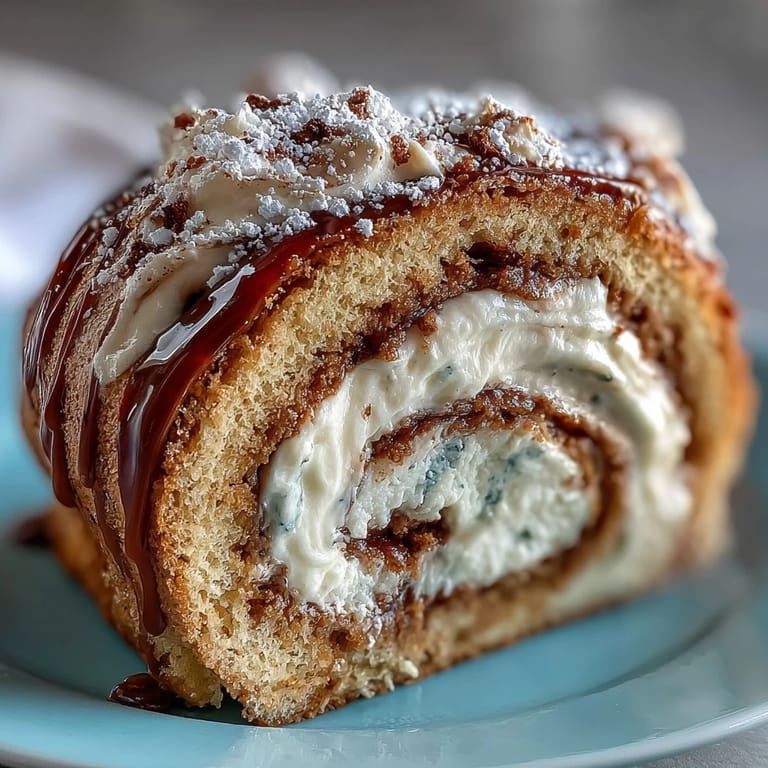
Save The first time I encountered hojicha was at a tiny tea shop in Kyoto, where the roasting aromas wrapped around me like a warm blanket. I bought a small tin and spent months experimenting—mostly making terrible matcha-flavored things until I realized this earthy, cocoa-like tea needed its own spotlight. This roll cake became my way of honoring that roasted character, letting it shine in both the tender sponge and the cream that holds everything together.
I made this for my sister's birthday last spring, and she kept asking what the secret ingredient was. The cake itself is so light it feels like eating a cloud, but that roasted flavor keeps it grounded—nothing like those cloyingly sweet bakery rolls that leave you regretting every bite.
Ingredients
- Egg yolks and whites separated: Temperature matters—room temperature eggs whip up so much better and incorporate air more easily
- Granulated sugar divided: Using sugar in both stages helps stabilize the meringue and sweeten the yolk base evenly
- Whole milk: Adds moisture and richness to the sponge without weighing it down
- Vegetable oil: Keeps the cake tender and flexible for rolling—butter would make it too firm and prone to cracking
- Cake flour sifted: Lower protein content means a softer crumb, and sifting prevents any stubborn lumps
- Cornstarch: Works with cake flour to create that delicate, velvety texture that Japanese cakes are famous for
- Hojicha powder: The star of the show—look for a deep reddish-brown color which indicates proper roasting
- Salt: Just enough to wake up all the flavors without making it taste savory
- Heavy cream chilled: The higher fat percentage (35% or more) ensures stable whipped cream that holds its shape
- Powdered sugar: Dissolves instantly into the cream without any graininess
- Hojicha powder: Infuses the cream with that roasted tea flavor we're obsessed with
- Ripe mango: The sweetness and slight tartness creates this amazing contrast with the earthy hojicha cream
Tired of Takeout? 🥡
Get 10 meals you can make faster than delivery arrives. Seriously.
One email. No spam. Unsubscribe anytime.
Instructions
- Preheat and prep your workspace:
- Set your oven to 170°C (340°F) and line a 23 x 33 cm baking tray with parchment paper, letting some overhang for easy lifting later.
- Whisk the yolks:
- Beat egg yolks with half the sugar (40 g) until they turn pale and creamy, then whisk in the milk and oil until everything's smooth.
- Combine dry ingredients:
- Sift cake flour, cornstarch, hojicha powder, and salt together, then gently fold them into the yolk mixture just until combined.
- Make the meringue:
- In a completely clean bowl, beat egg whites until foamy, then gradually add the remaining sugar and keep beating until you have stiff, glossy peaks.
- Fold everything together:
- Gently fold the meringue into the yolk-flour mixture in three additions, being careful not to deflate all that air you just worked so hard to incorporate.
- Bake the sponge:
- Pour the batter into your prepared tray, smooth the top, tap the tray gently on the counter to release any trapped air bubbles, and bake for 13–15 minutes until the cake springs back when you press it lightly.
- Cool properly:
- Invert the cake onto a fresh piece of parchment while it's still warm, carefully peel off the baking paper, and cover loosely with a clean kitchen towel to cool completely.
- Make the hojicha cream:
- Whip the chilled heavy cream with powdered sugar and hojicha powder until it holds medium-stiff peaks—overwhipping will make it grainy.
- Assemble the roll:
- Once the sponge is completely cool (this is crucial), spread the hojicha cream evenly over the surface and arrange mango strips along one short edge.
- Roll and chill:
- Use the parchment paper to help you roll the cake from the edge with mango, forming a tight spiral, then wrap it in parchment and refrigerate for at least 30 minutes to set.
- Finish and serve:
- Trim the ends for a neat presentation, slice into 8 pieces, and serve with a light dusting of hojicha powder or powdered sugar if you want it extra pretty.
 Save
Save My friend Mika taught me that Japanese roll cakes are meant to be enjoyed the same day they're made, though this one holds up surprisingly well overnight in the fridge. The texture firms up a bit but the flavors actually deepen.
Mastering the Roll
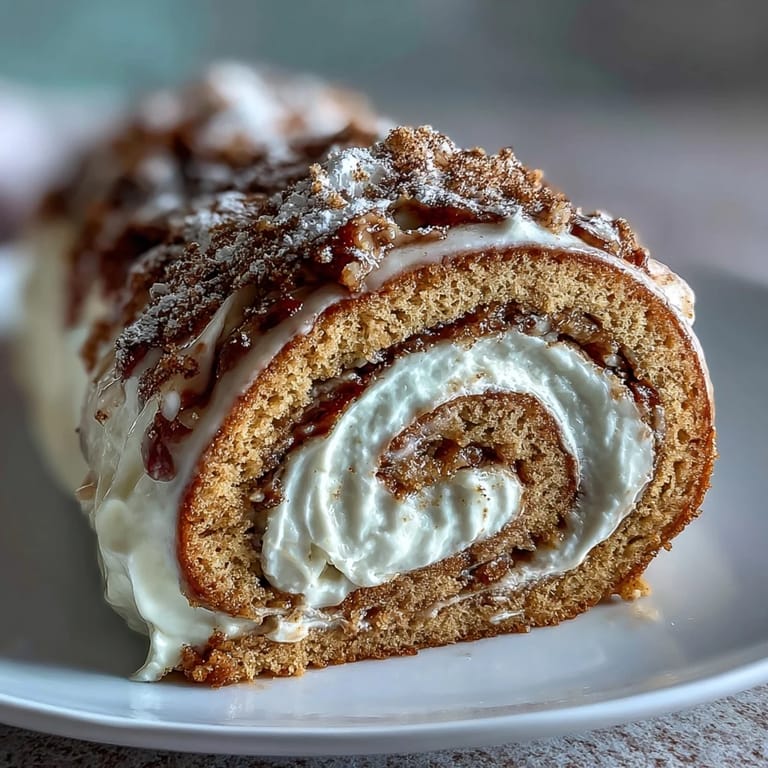
The biggest fear with roll cakes is cracking, but here is what I have learned after dozens of attempts. Rolling while the cake is still slightly warm gives you flexibility, and using the parchment paper as a guide helps you apply even pressure. Do not worry if the first roll is not perfect—it still tastes incredible.
Flavor Variations
Sometimes I skip the mango entirely and let the hojicha cream take center stage. In autumn, I have added thinly sliced persimmons, and during summer, fresh strawberries work surprisingly well with that roasted tea flavor.
Make-Ahead Tips
You can bake the sponge a day ahead and wrap it tightly in plastic once it is completely cooled. The cream is best whipped the same day you plan to serve, but everything else can be prepped in advance to make assembly feel effortless.
- Bring all ingredients to room temperature before starting for the best results
- Sift your dry ingredients twice if they seem at all lumpy
- Practice your folding motion—it is more about cutting through than stirring
 Save
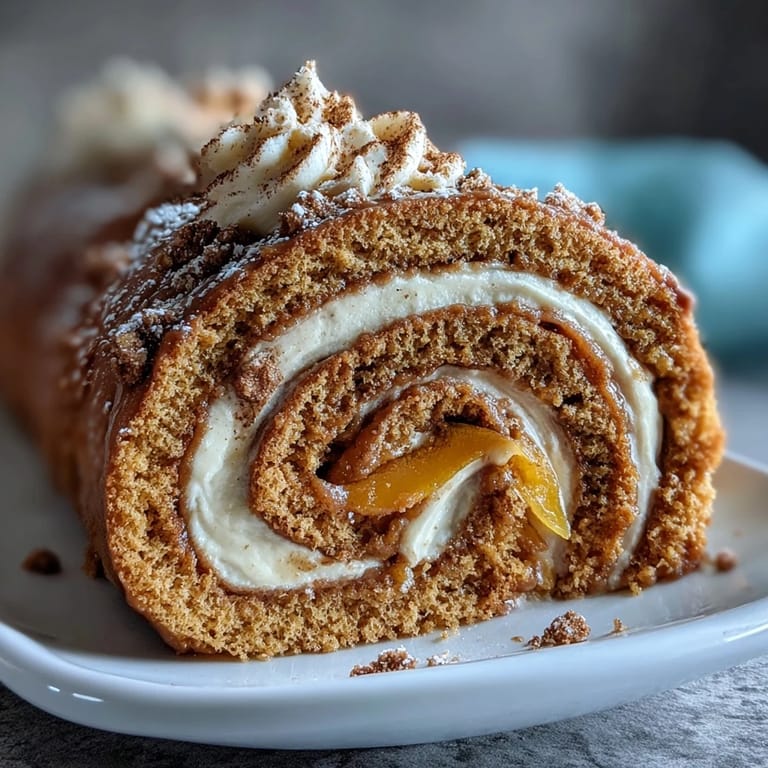
Save There is something deeply satisfying about slicing into that spiral and seeing those mango strips peeking through the cream, like a little secret you baked into every bite.
Recipe Q&A
- → What is hojicha powder?
Hojicha is roasted green tea leaves ground into a fine powder. The roasting process gives it a deep, earthy flavor with notes of caramel and reduced caffeine compared to regular green tea. It's distinct from matcha in both color and taste profile.
- → Can I make this without mango?
Absolutely. You can omit the fruit entirely or substitute with strawberries, peaches, or thinly sliced stone fruits. The mango adds fresh sweetness and color, but the hojicha cream carries the dessert beautifully on its own.
- → Why did my cake crack while rolling?
Cracking usually happens when the sponge is too cold or has dried out. Roll the cake while it's still slightly warm, and keep it covered with a towel after baking to prevent moisture loss. Rolling with the help of parchment paper also provides support and prevents breakage.
- → How far in advance can I prepare this?
The sponge can be baked a day ahead and wrapped tightly in plastic. The hojicha cream is best whipped fresh, though you can combine the cream and powder several hours ahead. Assembled rolls stay fresh in the refrigerator for up to 2 days, though the texture is best within the first 24 hours.
- → Can I substitute the cake flour?
Cake flour provides the delicate texture needed for rolling. You can make a substitute by sifting all-purpose flour with cornstarch (remove 2 tablespoons flour per cup and replace with cornstarch). Avoid using bread flour or high-gluten alternatives as they create a tougher sponge.
- → What if I don't have hojicha powder?
Matcha powder works as a substitute, though it will have a more grassy, bitter profile. Cocoa powder creates a chocolate variation. Coffee powder could also provide a similar roasted depth, though the flavor profile will change significantly from the original.