 Save
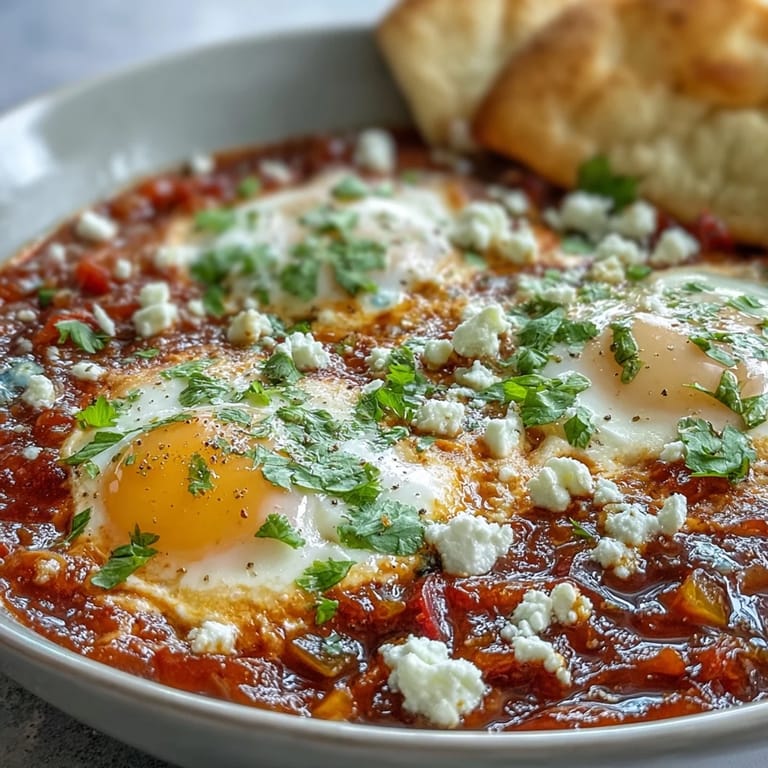
Save There's something about the smell of cumin and paprika hitting hot oil that instantly transports me to a tiny café in Istanbul, though honestly, I've never been there. My neighbor brought me a bowl of shakshuka on a particularly rough Tuesday morning, steam still rising from the eggs nestled in that deep red sauce, and I understood immediately why people get sentimental about food. Now whenever I make this, I'm chasing that same feeling of comfort and discovery in a single skillet.
I made this for a roommate who'd just quit her job, and she sat at our kitchen counter dunking pita into those soft, yolky eggs like it was the first good thing that had happened all week. By the time she finished, she'd already sketched out three ideas for what's next. Food doesn't fix everything, but there's something about sharing a warm bowl that opens up conversations.
Ingredients
- Large onion, finely chopped: This forms your flavor foundation, so don't rush it—those three minutes of softening matter more than you'd think.
- Red and yellow bell peppers, diced: The color isn't just pretty; each pepper brings slightly different sweetness and texture to the party.
- Garlic cloves, minced: Fresh is absolutely worth it here, since garlic gets the spotlight in that aromatic moment right before the tomatoes hit.
- Baby spinach (optional): I skip it sometimes, but when I add it, those wilted greens add an earthy depth that surprised me the first time.
- Jalapeño, seeded and finely chopped (optional): Heat is customizable, so taste as you go—my friend who grew these peppers taught me that seeding them doesn't remove all the fire, just enough to stay friendly.
- Olive oil: Good quality makes a difference you'll taste in the first bite.
- Ground cumin: This is your signature spice; it's warm and slightly nutty and somehow makes everything feel intentional.
- Paprika: The color and mild sweetness come together to make this dish look like it belongs on a magazine cover.
- Ground coriander: A subtle addition that adds complexity without announcing itself loudly.
- Cayenne pepper (optional): A pinch goes a long way, so less is more unless you actually enjoy the burn.
- Crushed tomatoes, 28-ounce can: Canned works beautifully here—fresh tomatoes are wonderful, but the concentrated flavor of good canned tomatoes is what you're actually after.
- Sugar: Just enough to balance the acidity and let all the spices sing.
- Salt and black pepper, to taste: Taste the sauce before the eggs go in; you might be surprised how much seasoning it needs.
- Large eggs, 4–6: Room temperature eggs slip into the sauce more gently, and the whites set more evenly.
- Fresh cilantro or parsley, chopped: A bright finish that feels like sunshine on a plate.
- Crumbled feta cheese (optional): Tangy and creamy, it's the final touch that makes people ask for the recipe.
- Pita breads, warmed: Soft pita is essential for scooping; if yours are dry, wrap them in a damp towel and warm them in the oven.
Tired of Takeout? 🥡
Get 10 meals you can make faster than delivery arrives. Seriously.
One email. No spam. Unsubscribe anytime.
Instructions
- Heat your oil and start with onion:
- Medium heat is your friend here—rushing it burns the spices later. The onion should look slightly golden and smell sweet, not sharp.
- Build your vegetable base:
- Peppers and jalapeño go in together, and you'll notice the kitchen starts smelling Mediterranean. This is exactly when you should taste a tiny piece of pepper to gauge the heat level.
- Toast your spices:
- That one minute of cooking spices in the oil releases everything good locked inside them. You'll smell the shift immediately—suddenly everything becomes warm and complex.
- Add your tomatoes and simmer:
- Stir occasionally so nothing sticks, and watch the sauce deepen in color and thicken. Ten to twelve minutes sounds long until you taste how the flavors have married together.
- Wilt your spinach if using:
- It disappears into the sauce almost instantly, but it adds mineral notes you didn't know you needed.
- Make wells and crack your eggs:
- Use the back of your spoon to gently create small spaces, then crack each egg carefully into its own spot. This is the moment that looks a little chaotic but is actually quite organized.
- Cover and cook until whites set:
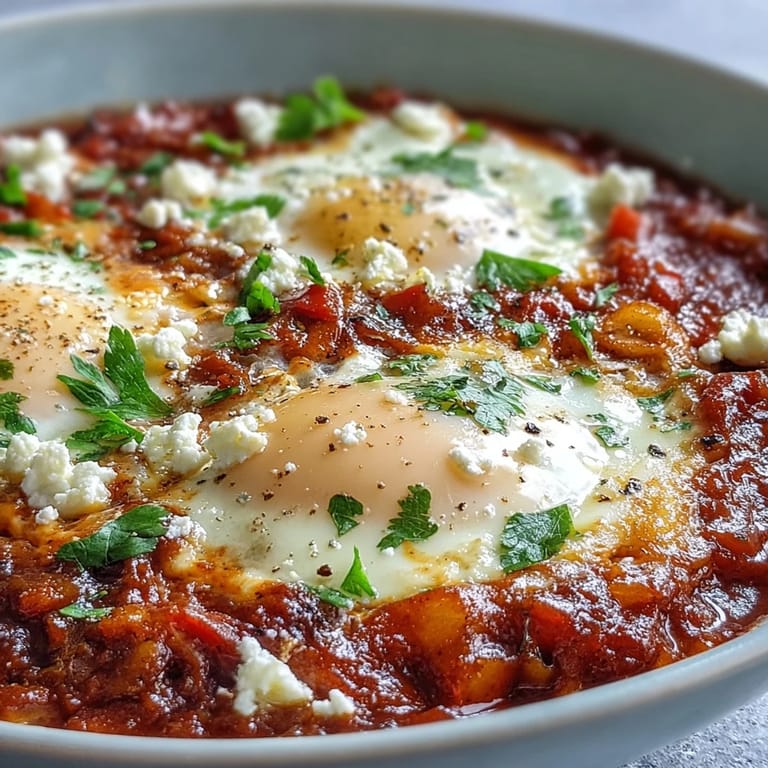
- This is where patience actually matters—remove the lid too early and the yolks firm up; leave it on too long and everything becomes too cooked. Aim for that sweet spot where the whites are opaque but the yolk jiggles slightly when you shake the pan.
- Finish with fresh herbs and cheese:
- The cilantro or parsley brings freshness, and feta adds salt and creaminess in every bite. Don't skip this step—it changes the whole dish.
 Save
Save My kid asked why we don't eat this more often, and I realized I'd been saving shakshuka for special occasions when it's actually the kind of meal that makes ordinary days feel special. Now I make it whenever someone needs reminding that good food and a warm kitchen can shift the entire energy of a morning.
Making It Your Own
The beauty of shakshuka is that it invites tinkering without demanding perfection. I've added crispy chorizo, roasted chickpeas, sun-dried tomatoes, and even leftover grilled vegetables with zero apologies. The sauce is forgiving enough to accommodate whatever you have on hand, and those eggs will cook no matter what you've decided to add.
Spice Level Your Way
If you're cooking for people with different heat tolerances, make the base sauce without jalapeño or cayenne, then let everyone customize their own bowl by stirring in extra peppers or hot sauce at the table. I've watched timid eaters become confident ones just because they controlled the spice level themselves.
From Breakfast to Dinner and Back Again
There's no actual rule about when you should eat shakshuka, despite what tradition says. I've served it for breakfast with coffee, for lunch with a simple salad, and for dinner when I didn't have energy for anything more complicated. The seasonings work at any hour, and the eggs deliver protein that keeps you satisfied from morning until well past lunch.
- A dollop of Greek yogurt or labneh on the side adds creaminess and mild tang that balances the spices.
- Leftover shakshuka reheats beautifully in a low oven; add a fresh egg on top if the original ones have been eaten.
- This freezes well as just the sauce, so make extra and have the base ready for nights when you want shakshuka but didn't plan ahead.
 Save
Save This is the kind of recipe that teaches you something about yourself each time you make it—whether that's confidence in improvising with what you have or the comfort of knowing exactly how something should taste. Make it often enough, and it stops being a recipe and starts being your own kitchen memory.
Recipe Q&A
- → What makes Shakshuka authentic?
Authentic Shakshuka features poached eggs cooked directly in a spiced tomato sauce. The key spices include cumin, paprika, and coriander, which create the distinctive North African and Middle Eastern flavor profile.
- → Can I make Shakshuka ahead of time?
The tomato sauce base can be prepared up to 2 days in advance and refrigerated. When ready to serve, reheat the sauce and add the eggs to poach fresh. This actually enhances the flavors as they meld together.
- → How do I know when the eggs are done?
Cook until the whites are completely set and opaque, about 6-8 minutes. The yolks should remain runny for the traditional experience. For firmer yolks, cook an additional 2-3 minutes with the lid on.
- → What can I serve with Shakshuka?
Warm pita bread is classic for dipping. Other options include crusty bread, rice, or couscous. A side of labneh, Greek yogurt, or fresh salad balances the rich, spiced flavors beautifully.
- → Is Shakshuka suitable for meal prep?
Yes, the sauce reheats perfectly. Store the sauce and poached eggs separately in airtight containers for up to 3 days. Reheat gently on the stove, adding a splash of water if needed to loosen the sauce.