 Save
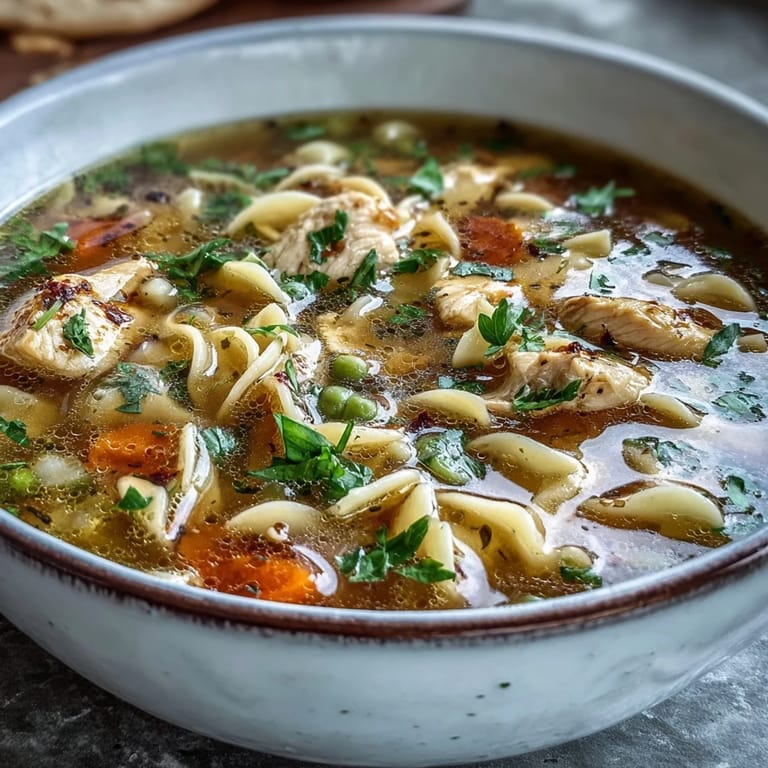
Save There's something about a pot of chicken noodle soup simmering on the stove that stops time in the kitchen. My neighbor once asked what that smell was drifting over the fence, and when I told her it was just soup, she laughed—but twenty minutes later she was at my door with bowls. That's when I realized this wasn't just comfort food; it was the kind of meal that makes people show up. One pot, simple ingredients, and somehow it tastes like someone spent all day on it.
I made this for my daughter's soccer team after a rough loss, thinking something warm and honest might help them shake it off. Watching those teenagers dig into bowls of soup and actually smile again reminded me that food does something beyond filling your stomach—it tells people you were thinking of them. One kid asked for the recipe, which might be the highest compliment I've ever received.
Ingredients
- Boneless, skinless chicken thighs or breasts (1 lb, cut into bite-sized pieces): Thighs stay juicier and more forgiving if you're not timing things perfectly, but breasts work beautifully too if you don't overcook them—the one-pot method actually protects them.
- Low-sodium chicken broth (8 cups): This is your foundation, so taste your broth before you start; some brands are saltier than others and you'll adjust at the end anyway.
- Carrots (2 medium, peeled and sliced): They sweeten the broth naturally as they cook down, so don't skip them or rush through cutting them thin.
- Celery stalks (2, sliced): This is the unsung hero that deepens the flavor without anyone knowing what it is; always include it.
- Yellow onion (1 medium, diced): The base of everything—take your time letting it soften in the oil before adding anything else.
- Garlic (2 cloves, minced): Add it after the onions have softened or it'll burn and turn bitter; I learned that the hard way.
- Green beans (1 cup, trimmed and chopped): They hold their shape and add a little brightness to cut through the richness.
- Frozen peas (1 cup): Frozen is actually better here because they cook faster and stay intact; thawed peas would turn to mush.
- Corn kernels (1 cup, fresh or frozen): This adds sweetness and body—frozen corn is convenient and honestly tastes just as good.
- Egg noodles or wide pasta (6 oz): Wide noodles soak up more broth; don't use thin noodles or they'll disappear.
- Olive oil (2 tbsp): Just enough to get everything sautéing without making the soup greasy.
- Dried thyme (1 tsp): This herb is what makes it taste like home; don't substitute with anything else.
- Dried parsley (1 tsp): Adds color and a subtle herbaceous note that rounds everything out.
- Bay leaf (1): Fish this out before serving or someone will find it and give you a look.
- Salt and black pepper: Taste as you go; you're building flavor in layers.
Tired of Takeout? 🥡
Get 10 meals you can make faster than delivery arrives. Seriously.
One email. No spam. Unsubscribe anytime.
Instructions
- Warm your pot and soften the aromatics:
- Heat olive oil in a large soup pot over medium heat, then add onion, carrots, and celery. Let them cook for about 5 minutes, stirring occasionally, until the onion becomes translucent and smells sweet—this is where the foundation of your soup gets built. You'll know they're ready when the carrots start to soften at the edges.
- Invite the garlic:
- Stir in minced garlic and cook for just 1 minute, stirring frequently so it doesn't burn—that raw garlic bite needs to mellow out but not disappear. If you smell it turning harsh or brown, you went too far.
- Sear the chicken briefly:
- Add your chicken pieces and sauté for 3 to 4 minutes, stirring occasionally, until the outside loses that raw pink color and picks up a little golden brown. This isn't about cooking the chicken through; it's about sealing in flavor before the broth takes over.
- Build the broth base:
- Pour in the chicken broth and add thyme, parsley, bay leaf, green beans, salt, and a few cracks of black pepper. Stir everything together and let it come to a gentle boil—you'll see the surface just start to break with bubbles.
- Simmer and meld the flavors:
- Reduce heat to medium-low and let it simmer uncovered for 15 minutes while the chicken finishes cooking through and the vegetables release their sweetness into the broth. This is when your kitchen smells absolutely incredible.
- Add the noodles and remaining vegetables:
- Stir in the egg noodles, frozen peas, and corn kernels. Continue simmering for another 8 to 10 minutes until the noodles are tender and the chicken is cooked all the way through. The frozen vegetables will thaw quickly and stay bright.
- Taste and adjust:
- Remove the bay leaf with a spoon, then taste the soup and add more salt and pepper if needed—this is your moment to make it taste exactly right. Some broths are saltier than others, so trust your palate.
- Serve it warm:
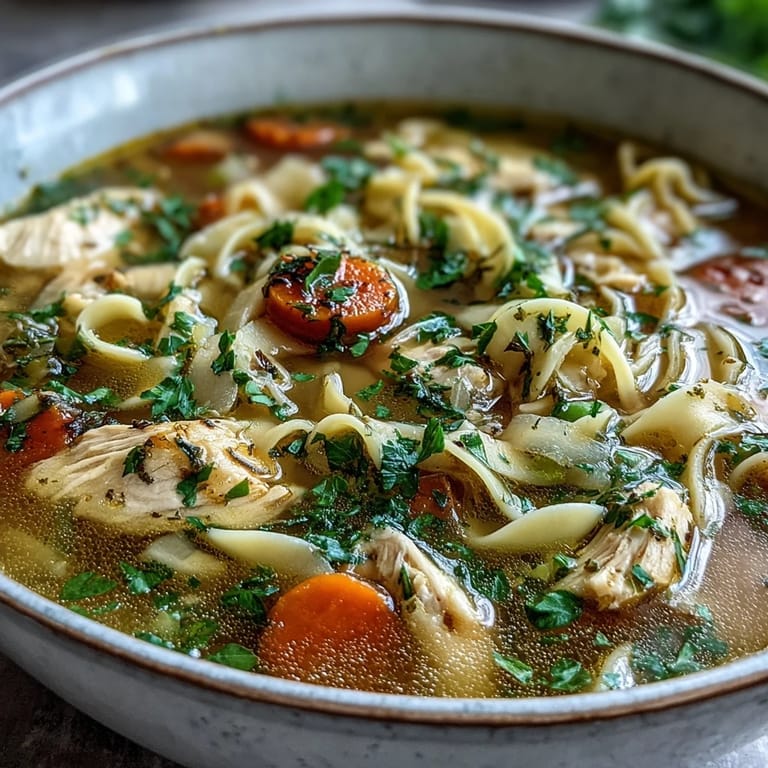
- Ladle soup into bowls and top with fresh parsley if you have it and a squeeze of lemon if you want to brighten it up. Serve immediately while everything is still steaming.
 Save
Save My son came home from school upset about something he wouldn't talk about, and I made this soup while he sat at the kitchen counter. By the time it was ready, he was asking questions about how I made it, and somehow between the noodles and the broth, he started talking. Food does that sometimes—it creates a small safe space where difficult things become easier to say.
Customizing Your Soup
This recipe is forgiving because it's built on a foundation that's hard to mess up. I've added diced zucchini, fresh spinach, sliced mushrooms, and even baby bok choy to this soup depending on what I had around. The thing is, vegetables release water as they cook, so if you're adding extra veggies, reduce the broth slightly or you'll end up with something that tastes diluted. Think of the recipe as a template, not a set of rules you can't bend.
Noodle and Gluten Considerations
Regular egg noodles are what I reach for because they have enough substance to hold up in broth and they actually taste like something. If you need gluten-free noodles, use a brand you trust because some of them break apart too easily in soup. Cook them for a minute or two less than the package recommends so they don't turn into paste in the hot broth.
Making It Your Own
Once you've made this soup a few times, you'll know where to make it heavier or lighter, herbier or simpler, based on what you're craving. The architecture of the recipe stays the same, but the personality changes every time. This flexibility is what keeps it interesting and why I've made it dozens of times without ever getting bored.
- For a richer soup, use bone-in chicken thighs and remove the bones after cooking, or add a splash of heavy cream at the end if dairy isn't an issue.
- If you want it brothier, use 10 cups of broth instead of 8 and reduce the noodles slightly so it stays balanced.
- Pair this with crusty bread or a simple green salad to make it feel like a complete meal.
 Save
Save This soup lives in that perfect space between weeknight practical and comfort food magic. Make it when you need something warm, when you want to feed people you care about, or when the world feels like it needs a little softening around the edges.
Recipe Q&A
- → Can I use a different protein instead of chicken?
Yes, you can substitute chicken with turkey or lean cuts of pork, adjusting cooking times accordingly to ensure tenderness.
- → What are good alternatives to egg noodles?
Gluten-free pasta, rice noodles, or small pasta shapes like ditalini work well as substitutes for egg noodles.
- → How can I make this soup dairy-free?
This soup is naturally dairy-free when using egg-free noodles, making it suitable for those avoiding dairy products.
- → Can I prepare this soup ahead of time?
This soup can be made a day in advance; flavors deepen overnight. Reheat gently and add fresh herbs before serving.
- → What vegetables can I add or swap in this soup?
Feel free to include zucchini, spinach, mushrooms, or other seasonal vegetables to enhance flavor and nutrition.