 Save
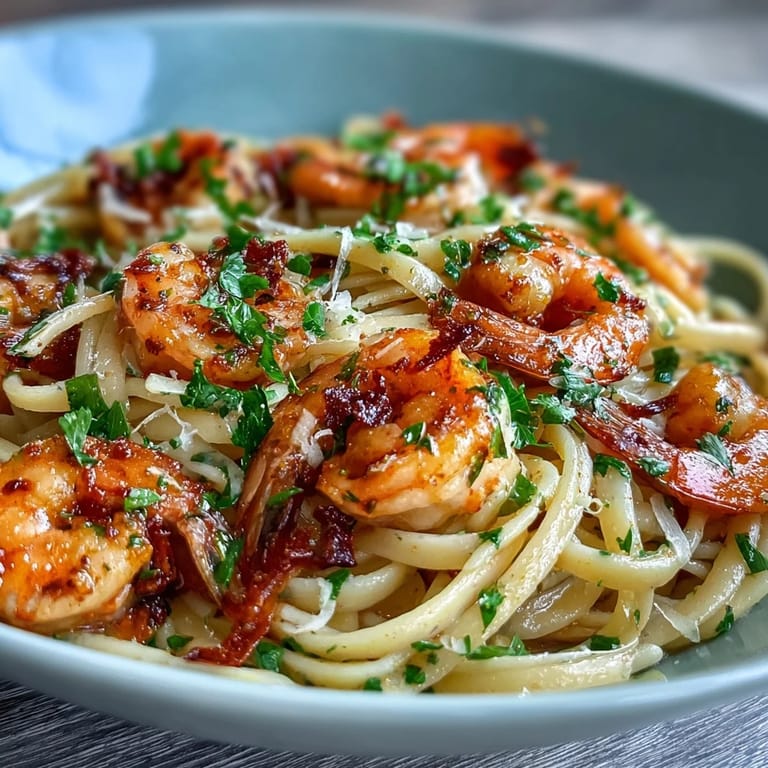
Save My neighbor knocked on the kitchen window one April afternoon with a bag of enormous shrimp from the fish market, asking if I could whip something up for her dinner party that evening. I had exactly thirty minutes and a lemon tree going wild in the backyard. This pasta became my answer—bright, quick, and somehow elegant enough to feel like I'd been planning it all week. The magic is in how the garlic whispers into the oil, how the lemon doesn't overpower but lifts everything, and how the shrimp turns that perfect coral pink. It's the kind of dish that tastes like spring tastes.
That evening, I watched four people go quiet the moment they twirled their first forkful, and that silence told me everything. My neighbor actually teared up a little, which I later learned had nothing to do with the dish itself but everything to do with feeling cared for through food. It's become our tradition now—whenever someone's having a rough week or celebrating something good, this pasta shows up. It's taught me that simple food done with attention carries more weight than anything complicated.
Ingredients
- Whole wheat spaghetti or linguine (12 oz): The heartier texture holds up beautifully to the light sauce without disappearing into it, and I always use the whole wheat version because the nutty flavor plays so well with lemon and garlic.
- Large shrimp (1 lb, peeled and deveined): Size matters here—small shrimp cook too fast and get rubbery, while large ones stay tender and almost buttery if you don't overcook them.
- Olive oil (4 tbsp total): Use good quality oil because it's doing real work here, not just cooking but building the sauce, so taste matters.
- Fresh garlic (4 cloves, thinly sliced): Slice it thin so it distributes evenly and doesn't turn bitter from the heat, and please don't use the jarred stuff for this one.
- Lemon (zest and juice from 2, plus zest from 1): Fresh lemon is non-negotiable; the zest gives brightness while the juice provides acid that ties everything together.
- Dry white wine (1/4 cup) or low-sodium chicken broth: The wine adds a subtle sophistication and helps reduce the rawness of the lemon juice.
- Fresh parsley (1/3 cup, chopped): Add this at the very end so it stays vibrant green and herbaceous, not cooked down into mush.
- Red pepper flakes (1/2 tsp, optional): Just a whisper of heat that doesn't announce itself but makes you wonder what makes the dish so craveable.
- Parmesan cheese (1/4 cup, optional for serving): A light hand with this—it's garnish, not the main event.
Tired of Takeout? 🥡
Get 10 meals you can make faster than delivery arrives. Seriously.
One email. No spam. Unsubscribe anytime.
Instructions
- Get your water going:
- Fill a large pot with water, salt it generously (it should taste like the sea), and bring it to a rolling boil. This is your foundation, so don't rush it or skimp on the salt.
- Cook the pasta:
- Add your pasta and stir it immediately so nothing sticks together. Set a timer for one minute less than the package suggests—you want al dente, with just a tiny bit of resistance when you bite it, because the pasta will keep cooking slightly when you toss it with the warm sauce. Reserve a coffee mug's worth of that starchy pasta water before you drain everything.
- Prepare your shrimp:
- Pat them completely dry with paper towels (this is crucial for getting a proper sear), then season with just a pinch of salt and pepper. Wet shrimp won't brown, they'll steam, and you'll miss half the flavor.
- Sear the shrimp:
- Heat one tablespoon of olive oil in a large skillet over medium-high heat until it shimmers, then lay the shrimp in a single layer. Don't move them around—let them sit for about ninety seconds per side, just until they curl and turn that coral pink. The moment they're done, slide them onto a plate; overcooked shrimp is nobody's friend.
- Build the sauce:
- In that same skillet, lower the heat to medium, add three tablespoons of fresh oil, then add your sliced garlic and let it sizzle gently until it smells absolutely incredible but hasn't turned golden. This takes about a minute, maybe a minute and a half—you're walking a line between fragrant and burnt, so pay attention. Add the red pepper flakes if you're using them, then the lemon zest, stirring everything together, then pour in the white wine. Let it bubble away for a minute so some of the alcohol cooks off and the flavors consolidate.
- Bring it together:
- Add the fresh lemon juice, then tumble in your cooked pasta and that reserved pasta water. Toss everything gently with tongs, letting the starchy water emulsify with the oil and create a silky sauce that coats every strand. This is where you taste and adjust—if it needs more brightness, add a squeeze of lemon; if it's too acidic, add a touch more pasta water.
- Finish and serve:
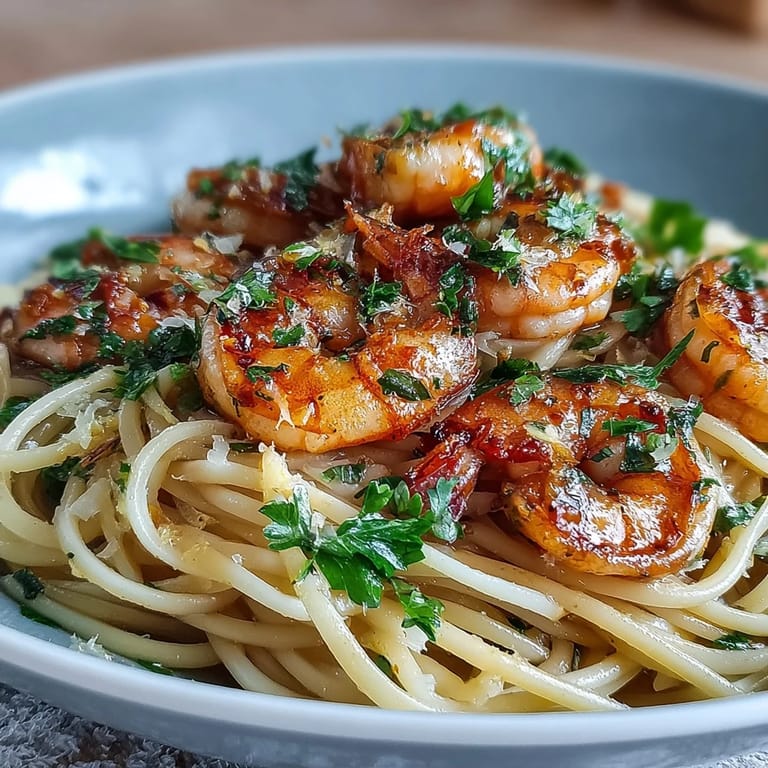
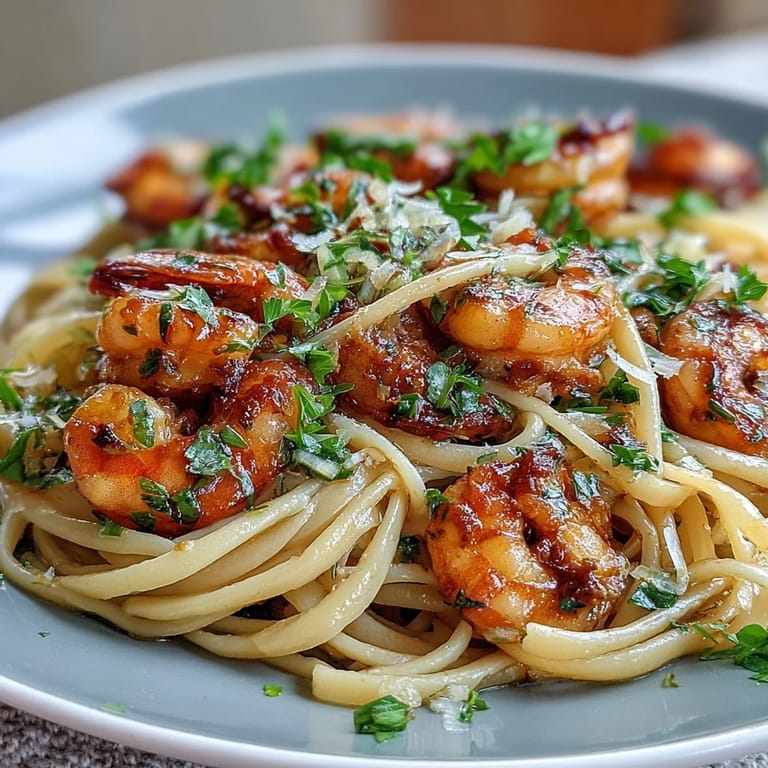
- Return the shrimp to the skillet, scatter the chopped parsley over everything, and toss once more so nothing gets bruised. Plate immediately while the pasta is still warm, and if you're using Parmesan, rain a little over the top just before serving.
 Save
Save There's a moment in cooking this where the kitchen fills with the smell of garlic and lemon and sea, and you know you've made the right choice. It's a small miracle how three ingredients and about eight minutes of gentle heat turn into something that tastes like you've been working all day.
The Lemon Question
I used to think lemon juice was lemon juice, but then I started zesting the fruit first and squeezing it fresh, and suddenly understood why this dish changes people's minds. Bottled juice tastes thin and metallic in comparison. Meyer lemons are my secret weapon when I can find them—they're sweeter and less aggressive, making the sauce taste rounder and more luxurious. Regular Eureka lemons work beautifully too; just taste as you go and adjust. The zest adds this floral, almost perfumed quality that makes people ask what your secret ingredient is, and when you tell them it's just lemon, they never quite believe you.
Shrimp Size and Quality
The difference between shrimp that's good and shrimp that makes people close their eyes and sigh has everything to do with freshness and size. I learned this the hard way by buying pre-cooked shrimp from the freezer section once, and it was flat and mealy and wrong. Fresh or truly good frozen shrimp (thawed properly under cold water, not nuked in the microwave) makes an enormous difference. Large shrimp, labeled as sixteen to twenty count per pound, are forgiving—they don't overcook the moment you turn your back, and they have enough surface area to develop flavor. Smaller shrimp disappear into the pasta, while huge shrimp can feel chewy. Size twenty shrimp is the Goldilocks zone.
Why This Works as Party Food
You can prep everything an hour before guests arrive—zest your lemons, slice your garlic, measure your oil, get your shrimp out of the freezer. Then when people are sipping wine in your living room, you're in the kitchen for exactly fifteen minutes of actual cooking, and somehow a restaurant-quality dish emerges. The pasta cooks while the shrimp sears, the sauce comes together while you're draining the pasta—there's a rhythm to it that feels controlled even though everything is happening at once.
- Set out your ingredients in order before anyone arrives so you're not hunting for things mid-cook.
- Have the pasta water reserved and the pasta drained before you finish the sauce, so the final toss takes just thirty seconds.
- Plate and serve immediately because this dish tastes best piping hot, right when the flavors are at their brightest.
 Save
Save This pasta has a way of becoming the dish people request when they want to feel cared for, which is the highest compliment I can think of. Make it once and you'll understand why—it's elegant and easy, bright and comforting, and it takes about as long as ordering delivery.
Recipe Q&A
- → Can I use different pasta types?
Yes, whole wheat spaghetti or linguine works best, but you can substitute gluten-free or other long pasta varieties to suit your preference.
- → How do I prevent shrimp from overcooking?
Cook shrimp quickly over medium-high heat for 1–2 minutes per side until just pink and opaque to keep them tender and juicy.
- → What if I want a spicier dish?
Add more crushed red pepper flakes during sautéing to increase heat according to your taste.
- → How can I make the sauce creamier?
Consider stirring in a small amount of cream or a dollop of mascarpone after adding lemon juice and pasta for a richer texture.
- → Can I add vegetables to this dish?
Yes, tossing in baby spinach, arugula, or roasted asparagus during the final step adds freshness and color.