 Save
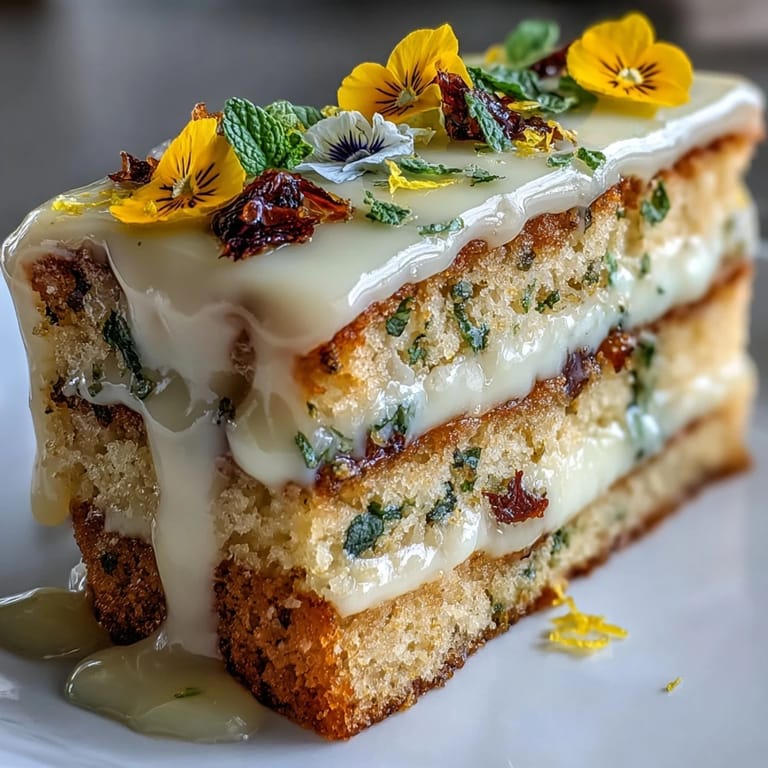
Save The faintest scent of lemon always makes me think of open windows and that gentle breeze you only get as winter drifts away. One afternoon in late March, I found myself dusting flour off my hands while my friend Anna pressed violets against parchment on the other side of the table. The idea for this spring cake started lightheartedly—more a dare to make something beautiful than a plan. That afternoon, the kitchen filled with zesty aromas and the steady whir of the mixer. I ended up discovering just how much joy a handful of edible flowers could add to a simple cake.
When I made this cake for my sister’s spring baby shower, I’ll never forget how her face lit up as she spotted the pansies atop the pillowy frosting. We laughed about how the petals seemed too pretty to eat, but soon everyone was reaching for a slice anyway. That cake disappeared faster than any centerpiece ever has.
Ingredients
- Unsalted butter: Creaming it slowly with sugar makes the sponge airy and tender—I always let it fully soften first.
- Granulated sugar: It isn’t just for sweetness—it helps the butter whip up pale and fluffy, so don’t rush this stage.
- Large eggs: Room temperature eggs incorporate more smoothly, so I set them out early when I remember.
- Vanilla extract: A quality vanilla rounds out the citrus and brings warmth to the cake’s base.
- All-purpose flour: Sifted flour gives the sponge its delicate crumb; I always measure it first for accuracy.
- Baking powder & fine sea salt: These lift and balance the batter; I avoid overmixing after adding them so the cake stays light.
- Whole milk: Bringing it to room temperature keeps the batter from curdling and the texture even.
- Lemon zest & juice: Freshly grated and squeezed, these are essential for that lively citrus layer.
- Heavy cream: Chilled cream whips up fluffy and stable—a must for spreading.
- Powdered sugar: This sweetens the whipped cream smoothly without any grit.
- Pressed edible flowers: Only choose unsprayed flowers you’re certain are safe—I use pansies and violets from my friend’s garden.
Tired of Takeout? 🥡
Get 10 meals you can make faster than delivery arrives. Seriously.
One email. No spam. Unsubscribe anytime.
Instructions
- Prepare your pans:
- Preheat your oven to 350°F (175°C) and line two 8-inch cake pans with parchment. I tap the pans on the counter after greasing to make sure there are no air bubbles hiding.
- Cream and mix:
- Beat the butter and sugar together until pale and fluffy—listen for the change in sound as it goes from gritty to pillowy. Add eggs one by one, scraping down the bowl, then mix in vanilla and lemon zest until fragrant.
- Combine the base:
- In a separate bowl, whisk flour, baking powder, and salt. Stir these into the wet mixture in thirds, alternating with milk—just until blended so it stays tender.
- Bake the cakes:
- Divide the batter equally and smooth the tops, then bake until the centers are springy and a toothpick comes out clean (about 25–30 minutes). Let the layers cool in the pans for 10 minutes, then turn out onto a rack to finish cooling completely.
- Make lemon curd:
- Set a heatproof bowl over simmering water and whisk eggs, sugar, lemon juice, and zest. Stir gently but constantly—after about 10 minutes, it’ll thicken enough to coat the back of a spoon, then you whisk in the butter until glossy and let it cool.
- Whip the cream:
- Beat the cold cream with powdered sugar and vanilla just until stiff peaks form; don’t walk away at this stage or you might overshoot it.
- Assemble the cake:
- Place the first cake layer on your plate and spread a thick layer of lemon curd over it. Set the second layer on top and gently press down, checking for any slips of lemon curd trying to escape the edges.
- Finish and decorate:
- Spoon the whipped cream over the top and sides for a simple, rustic look. Arrange the pressed flowers on top, pressing lightly so they adhere, then chill the cake for at least 30 minutes to set everything beautifully.
 Save
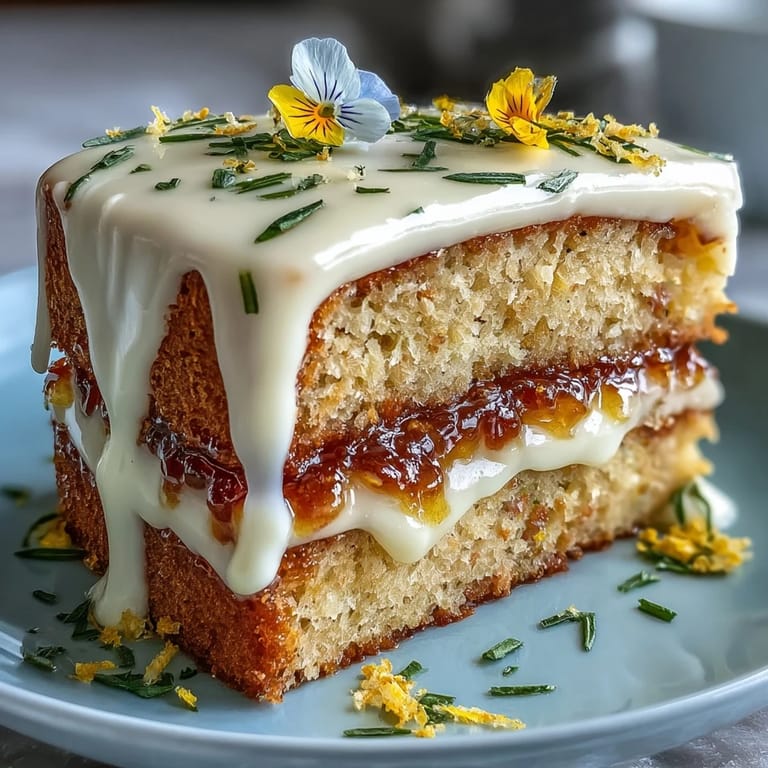
Save After a few slices had disappeared, my niece snuck back for seconds and confided that just looking at the flowers made her feel like she was celebrating something special. That moment made all the careful pressing and zesting more than worth it.
Picking the Best Flowers
Whenever I use pressed flowers, I personally check that every bloom is edible and organic. One afternoon while hunting for petals, I realized that using homegrown flowers not only looks gorgeous but adds a little local pride to the cake.
Lemon Curd Success
I learned not to rush the curd no matter how tempting it is to turn up the heat. Listening to the mixture’s quiet bubble and watching for that glossy finish became unexpectedly calming.
Decorating with Confidence
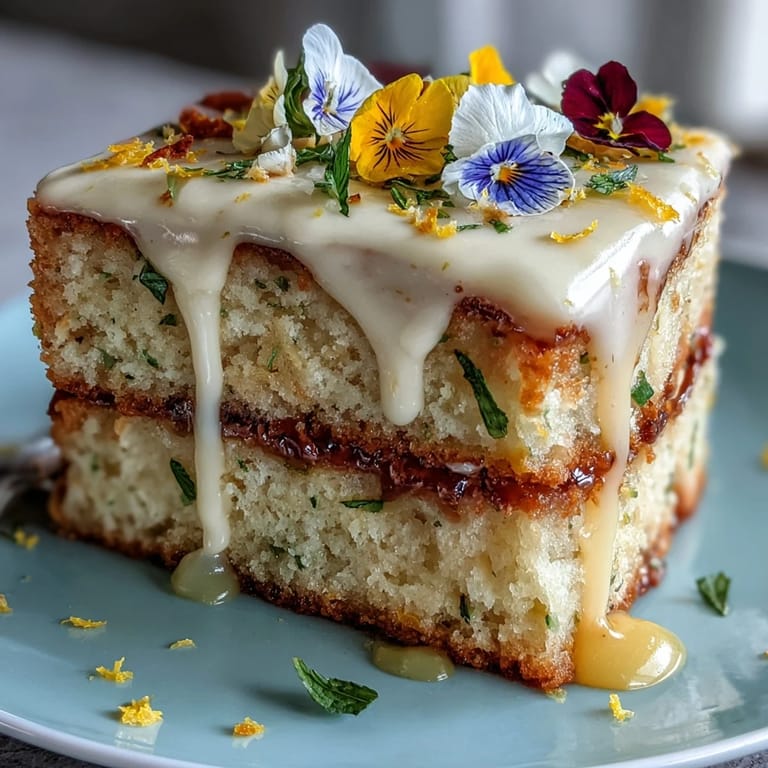
Even if your flower placement feels a bit uneven, the end result always gets compliments—just have fun with it. If you have extra curd, serve it on the side for those who want an extra-tart bite. You can chill the cake overnight, but add fresh flowers just before serving for the best look.
- Tuck parchment under the cake edges while decorating, then pull away for a clean finish.
- Use an offset spatula to swoosh the cream for an artful effect.
- Trust yourself—the final cake always draws a crowd no matter how perfectly imperfect.
 Save
Save Each time I serve this cake, it draws everyone closer to the table—I hope it brightens your spring gatherings just as much. Enjoy the smiles and seconds it’s sure to inspire.
Recipe Q&A
- → How do I properly press edible flowers for decoration?
Pick fresh, organically grown edible flowers and sandwich them between layers of parchment, placing heavy books on top for 1–2 weeks. Ensure flowers are completely dry before using.
- → Can I prepare the lemon curd in advance?
Yes, lemon curd can be made ahead and refrigerated for up to 5 days in an airtight container. Let it come to room temperature before using for easier spreading.
- → How do I prevent my sponge cake from being dense?
Cream the butter and sugar thoroughly, and avoid overmixing after adding dry ingredients to maintain a light texture.
- → Are there alternative flowers I can use?
Pansies, violets, nasturtiums, and organic rose petals are popular choices. Always verify flowers are safe and free from pesticides.
- → How should the finished cake be stored?
Keep covered in the refrigerator for up to 2 days. Allow to sit at room temperature for 20–30 minutes before serving for best texture.
- → Is this dessert suitable for vegetarians?
Yes, this cake is vegetarian, containing no meat or gelatin-based products.